

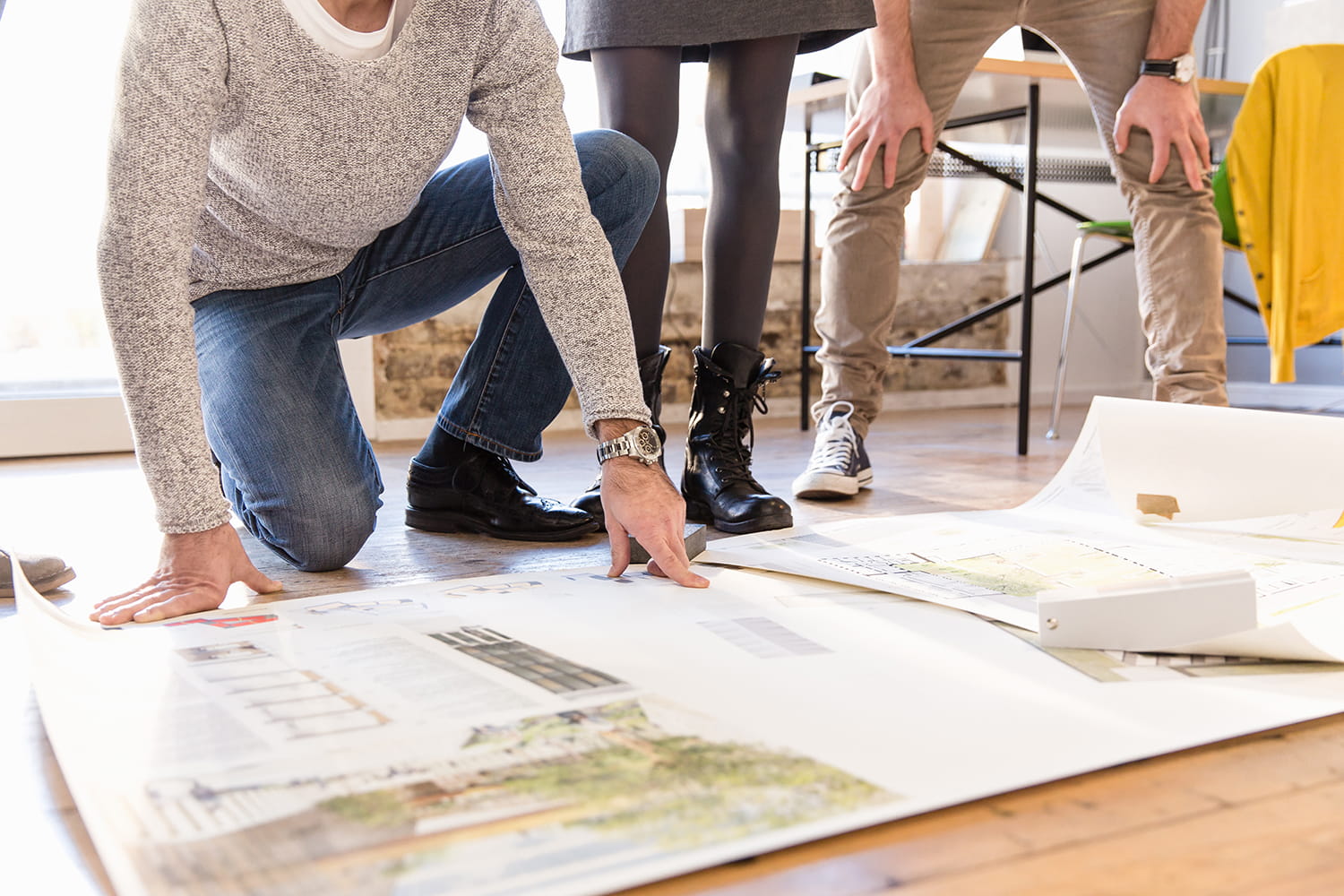
Today, with the fast pace of city life and the shrinking size of living spaces, the importance of interior design and spatial planning has increased more than ever. Creating functional solutions without sacrificing aesthetics in areas with limited square footage requires proper planning and a professional approach. Making a big impact in small spaces is possible not only through the right furniture selection but also through the use of materials, color balance, and solutions tailored to the needs of the space.
One of the most critical stages in the interior design process is the accurate analysis of the space. Planning that takes into account the purpose of the space, natural light availability, and user habits ensures both visual harmony and comfort. Especially in small living spaces, the efficient use of every centimeter directly affects the quality of life. At this point, functional furniture, multi-purpose storage areas, and smart layout solutions come to the forefront.
Material selection is a key element in creating a sense of spaciousness in small areas. Light-toned MDF surfaces, natural-textured parquet flooring, and simple wall coverings make the space appear larger than it is. The right flooring choices can enhance the feeling of depth in a space, while minimalist wall designs prevent visual clutter. Choosing durable and sustainable materials that combine aesthetics with durability offers significant advantages for both the user and the environment.
The use of light also plays a major role in interior design. Maximizing natural light makes small spaces appear brighter and more spacious. Where this isn't possible, the right lighting solutions can add depth to the space. In addition to ceiling lights, cabinet lights or wall accent lights create both a functional and decorative effect.
Interior design solutions are key to creating personalized living spaces in small areas. Every space, from residences to offices, commercial areas to large-scale projects, has different needs. Therefore, custom-designed solutions are more successful than standard ones. In particular, proper planning of storage areas prevents clutter, creating an organized and peaceful environment.
Aesthetics are just as important as functionality in interior design. A balanced use of color palettes, the combination of natural textures with modern lines, and details that suit the overall concept of the space create a powerful impact even in small areas. A minimalist design approach, by avoiding unnecessary details, gives the space a sense of spaciousness, while the use of the right accessories can create areas with character.
In conclusion, creating a big impact in small spaces is possible through a combination of professional interior planning, the right material selection, and an aesthetic perspective. A well-designed interior not only makes the space more usable but also improves the quality of life. Spaces planned with innovative, functional, and long-lasting solutions make a big difference even in small square footage. Thanks to interior design applications developed to suit individual needs, every space can reflect its full potential.


